
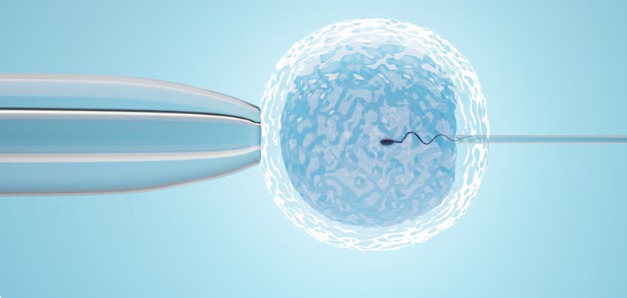
A heated debate has erupted in Ecuador following the release of the content of the Draft Organic Law Regulating the Right to Assisted Human Reproduction, promoted by the Ombudsman's Office and currently before the National Assembly. Various organizations warn that the legislative proposal exceeds the mandate of the Constitutional Court and addresses highly sensitive moral, bioethical, and legal issues that have not been sufficiently discussed in Ecuadorian society.
The bill was introduced on September 26, 2024, following the ruling in the Satya case (184-18-SEP-CC), which ordered the Assembly to regulate assisted reproduction techniques. However, according to specialists and pro-life sectors, the legislation includes controversial provisions such as post-mortem reproduction, surrogacy, embryo adoption by same-sex couples, and anonymous gamete donation, which—they point out—would violate fundamental rights, such as the right to identity and the right to life from conception, protected in the Ecuadorian Constitution.
"Issues that were never part of the constitutional mandate and deserve further bioethical and social debate before being legalized are being incorporated," notes the organization Dignidad y Derecho.

Among the most controversial issues are the creation of embryo banks with no restrictions on their use or experimentation, the possibility of embryo selection and disposal, and the expenditure of public funds to finance these practices. For citizen groups, these aspects violate human dignity and contradict constitutional principles and international human rights treaties to which Ecuador has signed.
Organizations such as "Dignidad y Derecho" have called on citizens to actively exercise their right to participation and demand a responsible review of the project, withdrawing those provisions that, in their opinion, violate human rights and fundamental ethical principles.
 EN
EN  ES
ES